


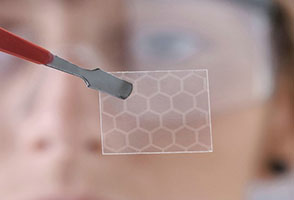

Introduction to Nano Silver
Nano Silver refers to silver particles with dimensions typically between 1 and 100 nanometers. At this nanoscale, silver exhibits significantly enhanced properties compared to bulk silver, including strong antimicrobial activity, high surface reactivity, and excellent electrical conductivity.
Due to these unique characteristics, nano silver has become an important functional material in modern industry, with applications spanning healthcare, electronics, textiles, environmental protection, and advanced materials.
Physical and Chemical Properties of Nano Silver
The performance of nano silver is closely related to its particle size, morphology, and surface treatment. Key properties include:
Extremely small particle size, resulting in a high surface-area-to-volume ratio
Strong antimicrobial efficiency at low concentrations
High electrical and thermal conductivity
Surface tunability, allowing improved dispersion and stability
Chemical activity, enabling interaction with microorganisms and matrices
These properties distinguish nano silver from traditional silver powders and ionic silver compounds.
How Does Nano Silver Work?
Nano silver primarily functions through the controlled release of silver ions (Ag⁺). These ions interact with microbial cell membranes, proteins, and DNA, leading to:
Disruption of cell membrane integrity
Inhibition of enzyme activity and cellular respiration
Interference with microbial replication
This multi-target mechanism makes nano silver effective against a broad range of bacteria and fungi, while reducing the likelihood of resistance development.
Common Applications of Nano Silver
1. Medical and Healthcare Applications
In the medical field, nano silver is widely used for infection control and antimicrobial protection, including:
Wound dressings and burn care products
Antimicrobial coatings for medical devices
Medical textiles such as bandages and surgical garments
Disinfection solutions and surface treatments
Its effectiveness and durability make nano silver a valuable material for healthcare environments.
2. Textile and Consumer Products
Nano silver is commonly incorporated into functional textiles to provide long-lasting antibacterial and odor-resistant properties:
Sportswear and activewear
Underwear, socks, and workwear
Bedding and household textiles
Compared with conventional antimicrobial agents, nano silver offers superior wash resistance and longer service life.
3. Electronics and Conductive Materials
Due to its excellent conductivity, nano silver plays a key role in advanced electronic applications, such as:
Conductive inks and pastes
Printed and flexible electronics
RFID antennas and circuits
Touchscreens and wearable devices
Nano silver enables fine-line printing and low-temperature sintering, supporting miniaturization and performance enhancement in electronics manufacturing.
4. Environmental and Water Treatment Applications
In environmental protection, nano silver is used to inhibit microbial growth in:
Water purification systems
Air filtration materials
Antibacterial filters and membranes
These applications improve hygiene and system longevity when used within regulated limits.
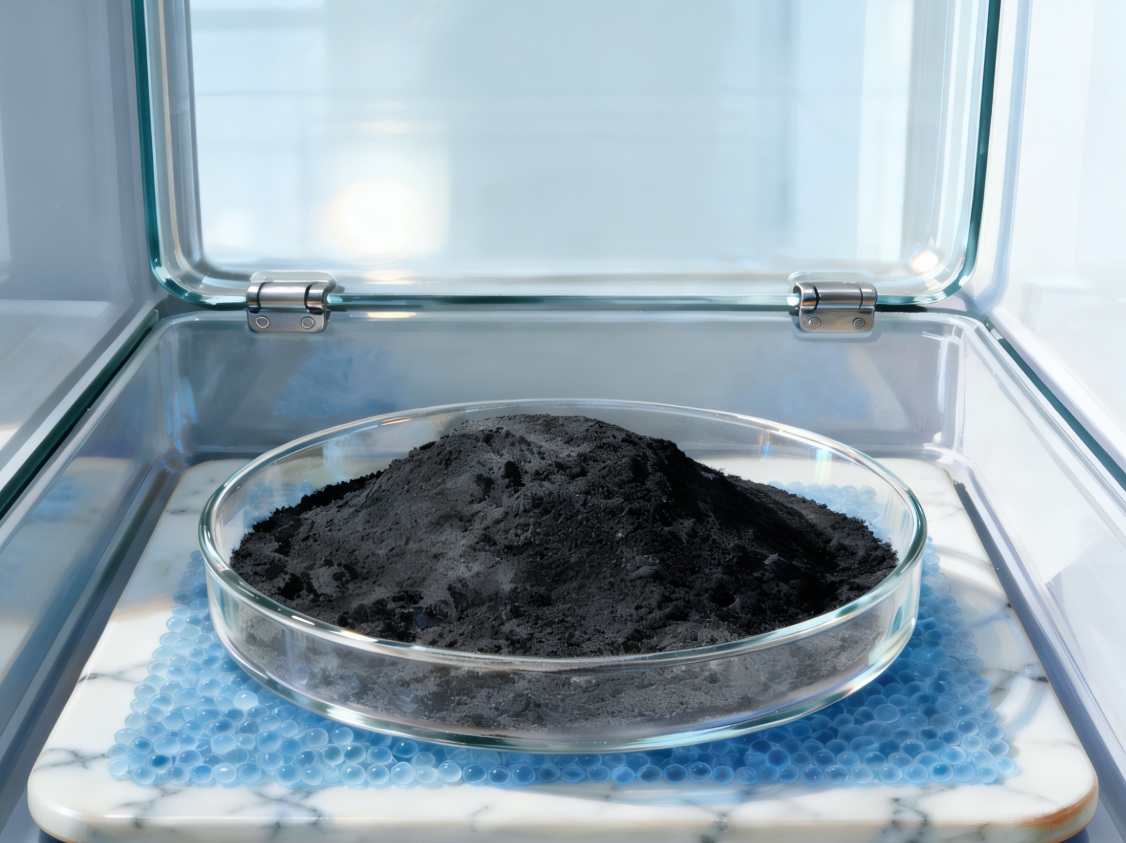
Is Nano Silver Safe?
The safety of nano silver depends on particle size, concentration, application method, and exposure route. Current research and regulatory frameworks emphasize:
Controlled dosage and release behavior
Clear differentiation between industrial-grade, medical-grade, and consumer-grade materials
Compliance with local and international regulations
When properly designed and applied, nano silver can be used safely and effectively in a wide range of products.
Industrial Importance of Nano Silver
From an industrial perspective, nano silver offers several strategic advantages:
High performance at low material usage
Compatibility with polymers, ceramics, and composites
Versatility across multiple industries
Strong demand driven by hygiene, electronics, and smart materials
These factors have positioned nano silver as a key material in advanced manufacturing and functional material development.
Future Outlook of Nano Silver Technology
Ongoing research and innovation are driving the future of nano silver toward:
Improved dispersion and environmental compatibility
Composite and hybrid material systems
Controlled-release antimicrobial technologies
Sustainable and green synthesis methods
As regulatory standards and manufacturing technologies mature, nano silver is expected to achieve broader adoption in high-value industrial applications.
Conclusion
Nano Silver is a nanoscale form of silver with enhanced antimicrobial and functional properties. Its unique combination of effectiveness, versatility, and industrial relevance has made it an essential material across healthcare, electronics, textiles, and environmental applications. With continued innovation and responsible use, nano silver will remain a critical component of modern material science and industrial technology.
Ready to Accelerate Your Research?
For technical datasheets, sample requests, or customized catalyst solutions, contact the UIV CHEM technical support team today. Let us help you achieve breakthrough results in organic synthesis and materials innovation!