



What Is Nano Silver?
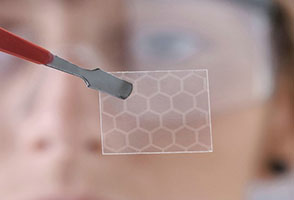
Nano Silver refers to silver particles with a size typically ranging from 1 to 100 nanometers. Due to their extremely small particle size and high surface area, nano silver materials exhibit enhanced antimicrobial activity, excellent electrical conductivity, and unique physicochemical properties compared with conventional silver materials.
Today, nano silver has become an important functional material widely applied in healthcare, electronics, textiles, environmental protection, and advanced manufacturing industries.
Key Advantages of Nano Silver
From a materials science and industrial application perspective, nano silver offers several critical advantages:
Broad-spectrum antimicrobial activity against bacteria, fungi, and certain viruses
Low risk of microbial resistance compared to traditional antibiotics
High electrical conductivity, inheriting the properties of metallic silver
Adjustable stability through surface modification and dispersion control
High efficiency at low dosage, reducing overall material consumption
These characteristics make nano silver a highly versatile and valuable advanced material.
Major Applications of Nano Silver
1. Medical and Healthcare Applications
Nano silver is widely used in the medical field due to its strong and long-lasting antimicrobial properties, including:
Wound dressings and burn care materials
Antimicrobial coatings for medical devices and implants
Medical textiles such as surgical gowns and bandages
Disinfectants and antimicrobial sprays
By disrupting microbial cell membranes and metabolic pathways, nano silver helps reduce infection risks and improve patient safety in clinical environments.
2. Textile and Consumer Products
The textile industry is one of the most mature application areas for nano silver technology. Typical uses include:
Antibacterial and odor-resistant clothing
Sportswear, underwear, and socks
Home textiles such as bedding and curtains
Compared with traditional antimicrobial agents, nano silver provides better wash durability and longer-lasting performance, making it highly attractive for premium functional textiles.
3. Electronics and Conductive Materials
Thanks to its excellent electrical conductivity, nano silver plays a critical role in modern electronics manufacturing, such as:
Conductive inks and pastes
Printed and flexible electronics
RFID antennas and circuits
Touch panels and wearable electronic devices
Nano silver enables fine-line printing, lower sintering temperatures, and improved device performance, supporting the development of next-generation electronic products.
4. Environmental Protection and Water Treatment
In environmental applications, nano silver is primarily used for microbial control and hygiene improvement, including:
Water purification and filtration systems
Air filtration materials
Antibacterial filters for industrial and residential use
When properly controlled, nano silver can effectively inhibit bacterial growth and enhance the safety and lifespan of filtration systems.
5. Food Packaging and Preservation Materials
Nano silver is also applied in functional food packaging materials, where antimicrobial performance is essential:
Antibacterial food packaging films
Surface coatings for food-contact materials
Packaging solutions designed to extend shelf life
These applications require strict compliance with regulatory standards regarding particle size, migration behavior, and safety assessment.
Safety, Regulations, and Compliance
From a Trustworthiness (T) perspective, the safe use of nano silver is closely linked to regulatory compliance and scientific evaluation:
Many countries have established guidelines for nano silver use in medical and food-related applications
Controlled particle size, dosage, and release behavior are critical to minimizing potential risks
Industrial-grade, medical-grade, and consumer-grade nano silver materials differ significantly in production and quality standards
Transparent technical documentation, standardized manufacturing, and third-party testing are essential for building long-term market trust.
Future Development Trends of Nano Silver
Driven by advances in nanotechnology and materials engineering, nano silver is expected to evolve in the following directions:
Improved dispersion and reduced environmental impact
Composite materials combining nano silver with polymers or ceramics
Controlled-release and long-term antimicrobial systems
Green synthesis methods and sustainable production processes
With continuous innovation, nano silver is expected to play an increasingly important role in high-end manufacturing and advanced functional materials.
Conclusion
Nano Silver has emerged as a key functional material across multiple industries due to its exceptional antimicrobial performance and electrical properties. From healthcare and textiles to electronics and environmental protection, its application scope continues to expand. Under the premise of safety, regulatory compliance, and technological innovation, nano silver is poised for sustainable growth and broader industrial adoption.
Ready to Accelerate Your Research?
For technical datasheets, sample requests, or customized catalyst solutions, contact the UIV CHEM technical support team today. Let us help you achieve breakthrough results in organic synthesis and materials innovation!