




Heavy Water Applications in Industry: Industrial Value, Technology, and Future Outlook
Heavy water (D₂O) is a specialized form of water in which hydrogen atoms are replaced by deuterium, a stable isotope of hydrogen. Although chemically similar to ordinary water, heavy water exhibits unique physical and nuclear properties that make it indispensable in several high-value industrial sectors. This article explores the industrial applications of heavy water, focusing on its role in nuclear energy, chemical manufacturing, materials science, and advanced research.
1. What Is Heavy Water (D₂O)?
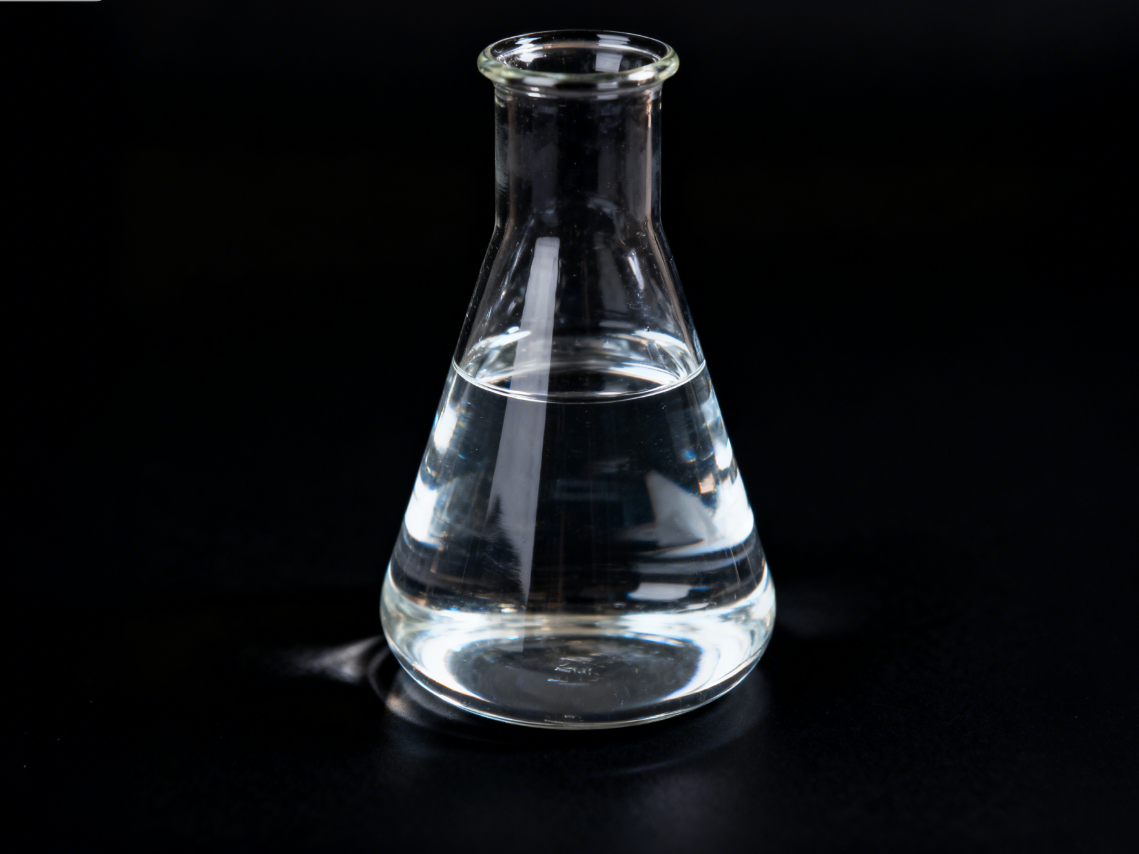
Heavy water consists of two deuterium atoms and one oxygen atom. The presence of deuterium increases the molecular mass of the water, resulting in higher density, altered thermal properties, and—most importantly—distinct neutron interaction behavior.
Due to its extremely low natural abundance, heavy water is considered a strategic industrial material rather than a commodity chemical.
2. Heavy Water in the Nuclear Power Industry
2.1 Neutron Moderator in Nuclear Reactors
The most significant industrial application of heavy water is as a neutron moderator in nuclear reactors.
In nuclear fission, fast neutrons must be slowed down to sustain a controlled chain reaction. Compared to light water, heavy water offers:
Extremely low neutron absorption
Highly efficient neutron moderation
As a result, heavy water reactors—such as CANDU reactors—can operate using natural uranium instead of enriched fuel.
Industrial advantages include:
Improved fuel utilization efficiency
Reduced reliance on uranium enrichment
Stable, long-term reactor operation
2.2 Nuclear Engineering and Fuel Cycle Research
Heavy water is widely used in nuclear engineering for:
Reactor physics experiments
Neutron behavior analysis
Fuel performance evaluation
Its high purity and predictable neutron interaction make it a trusted material for nuclear system validation and reactor design optimization.
3. Applications in the Chemical Industry
3.1 Isotope Labeling and Deuterated Compounds
In advanced chemical manufacturing, heavy water serves as a key deuterium source for:
Synthesizing deuterated chemicals
Studying reaction mechanisms
Improving chemical stability and selectivity
Deuterated compounds are increasingly important in:
Pharmaceutical intermediates
Specialty chemicals
High-performance materials
3.2 Reaction Kinetics and Process Development
By substituting hydrogen with deuterium, chemists can analyze isotope effects, providing valuable insights into reaction pathways and industrial process optimization.
4. Heavy Water in Materials Science and Advanced Manufacturing
Heavy water plays a critical role in neutron scattering experiments, which are essential for:
Investigating material microstructures
Studying polymer dynamics
Analyzing energy storage and functional materials
These applications support innovation in:
Semiconductor materials
Energy storage technologies
Advanced composites
5. Analytical and Industrial Testing Applications
5.1 NMR Solvent for Industrial Analysis
Heavy water is commonly used as a solvent in nuclear magnetic resonance (NMR) analysis to reduce hydrogen signal interference. This enhances accuracy in:
Quality control
Structural verification
High-value chemical product analysis
5.2 Tracer Applications in Industrial Systems
In specialized industrial systems, heavy water can be used as a tracer for:
Flow diagnostics
Leak detection in closed systems
Process efficiency evaluation

6. Industrial Production and Technical Barriers
Due to its low natural concentration, heavy water production requires advanced separation technologies, including:
Chemical exchange processes
Multi-stage distillation
Electrolytic enrichment
These processes involve significant capital investment and technical expertise, making heavy water a high-cost, high-barrier industrial product.
7. Safety, Regulation, and Industrial Standards
Heavy water is handled under strict industrial and regulatory frameworks:
Closed-loop operating systems
High-purity quality control
Regulated storage and transportation
When managed correctly, heavy water is a safe and controllable industrial material.
8. Future Outlook and Industrial Significance
With continued development in:
Nuclear energy infrastructure
Advanced materials and clean energy
Precision chemical manufacturing
the demand for heavy water is expected to remain stable in strategic sectors. While production costs are high, its unique functional properties ensure long-term industrial relevance.
Conclusion: Industrial Role of Heavy Water
Heavy water is not a general-purpose chemical but a critical functional material for nuclear energy, isotope chemistry, and advanced research. Its industrial value lies in performance and reliability rather than volume consumption.
In modern industry, heavy water represents technological depth, scientific authority, and strategic importance.
Ready to Accelerate Your Research?
For technical datasheets, sample requests, or customized catalyst solutions, contact the UIV CHEM technical support team today. Let us help you achieve breakthrough results in organic synthesis and materials innovation!